Smart Pencil Back to School
First Impression: Kawaii Charm Meets Clear Intent
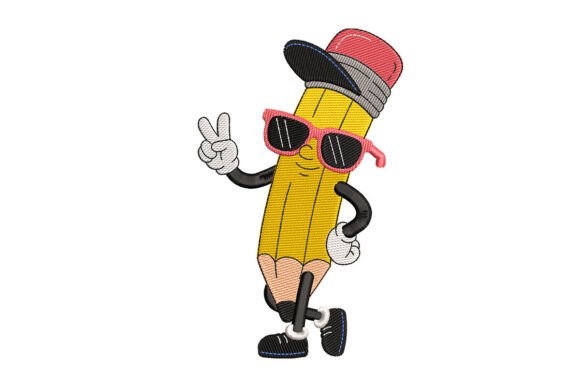
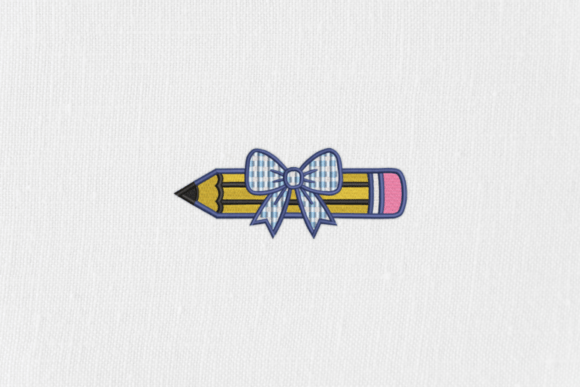
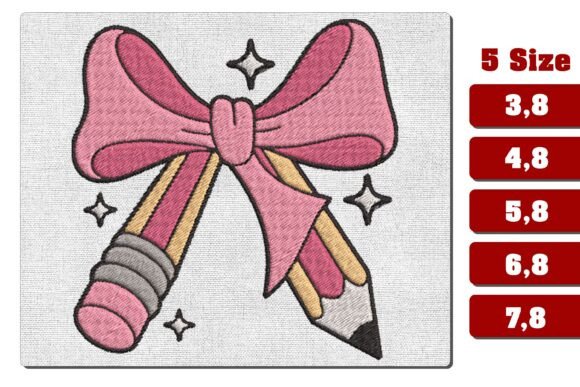
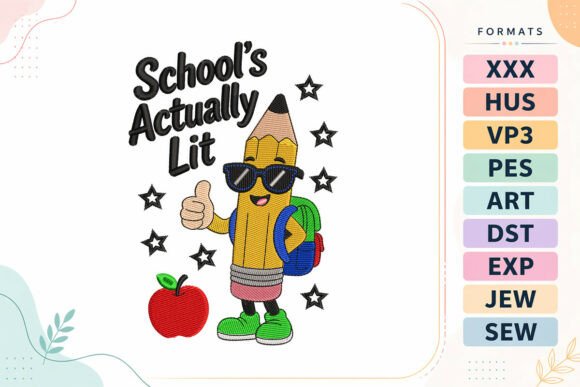
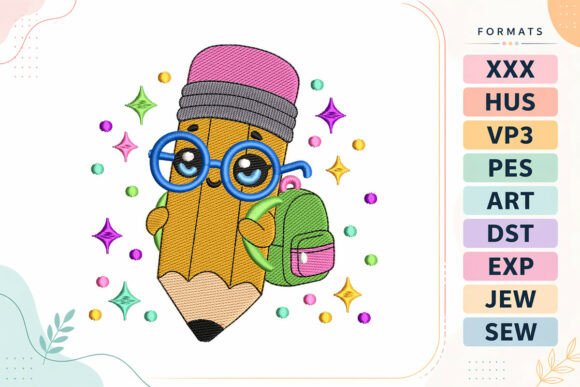
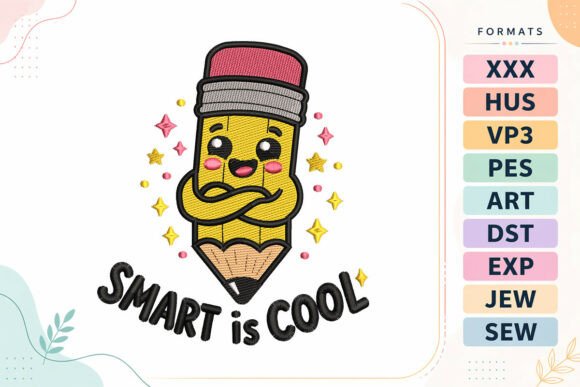
Right off the bat, Smart Pencil Back to School lands as cheerful, approachable, and unmistakably kawaii—think soft curves, expressive rosy cheeks, sparkling accents, and that confident folded-arms pose. It’s not rustic, not minimalist, not vintage—it’s modern-cute with a clear academic twist. That “Smart Is Cool” energy reads instantly at craft fair distance: friendly but focused, playful but purposeful. For handmade market buyers (especially parents, teachers, and students themselves), this design telegraphs positivity and pride in learning—not just “school,” but *joyful* learning. That emotional hook is gold when your booth has 30 seconds to capture attention.
Where It Shines on Craft Fair Products
Tote bags: A standout. The pencil character reads cleanly at 4–5 inches wide—big enough to charm from across the aisle, small enough to leave room for branding or a coordinating monogram. Pair it with a crisp cotton canvas or natural linen for contrast that highlights those sparkling accents.
Embroidered patches: Excellent candidate. The compact shape and bold facial features hold up beautifully when cut and heat-applied to denim jackets, backpacks, or caps. Buyers love collectible patches—and this one feels like part of a “smart squad” series.
Aprons and tea towels: Works best as a centered chest or corner accent—not oversized. On aprons, it adds personality without overwhelming function; on tea towels, it becomes a conversation starter near the coffee station. Just avoid placing it over dense terry loops—fabric texture can mute fine details.
Caps and fabric pouches: Proceed with care. The folded arms and cheek details need precise placement on curved surfaces. Test hoop alignment first. Small pouches (4x6”) are ideal—this design fits cleanly without distortion and gives a premium handmade feel.
Pillow covers and market bags: Strong focal point potential. At 6–7 inches, the pencil retains charm and clarity while anchoring the piece visually. Especially effective on light neutrals or pastel solids—no busy prints competing with its expression.
What Makes It Sell—And What Requires Caution
This machine embroidery design earns trust fast: it’s instantly legible, emotionally warm, and seasonally relevant without feeling dated. Customers scanning your booth don’t need to pause and decode—it says “Back To School” and “I love learning” in one glance. That speed-to-understanding boosts impulse buys, especially for last-minute teacher gifts or student self-rewards.
But here’s where experience kicks in: those sparkling accents and rosy cheeks hint at higher stitch density. Tiny satin-stitched highlights may blur on thick fabrics or dark thread-on-dark combos. And yes—that cheerful smile? Adorable at 3 inches, but risk losing definition below 2 inches. Avoid using Smart Pencil Back to School as a tiny pocket accent on toddler shirts unless you’ve tested contrast and stabilizer thoroughly.
Also note: the kawaii style relies on clean outlines and balanced proportions. If your embroidery file includes thin interior stitching (like eyelashes or pencil graphite lines), verify they’re optimized for home machines—not just commercial digitizing. A weakly stitched sparkle won’t read as “magic”; it’ll read as “fuzzy.”
Real-World Booth & Online Impact
In person, Smart Pencil Back to School strengthens your display by adding visual rhythm. Place a stitched tote beside a patch sampler and a tea towel—suddenly your table tells a cohesive story: “learning made lovely.” It elevates perceived value: customers associate thoughtful kawaii embroidery with care, quality, and intention—not mass production.
Online? It photographs brilliantly—if lit well. Those rosy cheeks and sparkles catch light. Use a printable mockup showing it on multiple product types (tote, cap, pouch) to build trust fast on Etsy or Instagram. Buyers scroll quickly—this design stops them because it feels both familiar and fresh.
And yes, it’s repeatable. You can batch-produce 20 identical patches or 15 matching tote bags without fatigue or inconsistency—critical when prepping for a weekend craft fair. Just keep thread tension and stabilizer consistent across runs.
Must-Do Designer Checks Before Production
- Test the digital embroidery file on scrap fabric matching your final product—especially textured tea towels or curved cap fronts.
- Verify thread contrast: rosy cheeks need warm pink against light backgrounds; sparkles need metallic or bright white on darks.
- Review spacing between pencil elements—tight folds or cheek details shouldn’t nestle too close to prevent stitch pile-up.
- Confirm hoop size compatibility. Does it fit comfortably in your most-used hoop—or will you need re-hooping mid-design?
- Inspect stitch density in high-detail zones. If the file packs >12,000 stitches in a 2-inch area, consider simplifying for home machines.
- Use cutaway or tear-away stabilizer based on fabric weight—not guesswork. Lightweight cottons need more support than denim.
- Create at least one real-life finished product mockup before bulk production. See how it drapes, shines, and wears.
- Compare fabric colors side-by-side: ivory vs. oatmeal vs. heather gray changes how rosy cheeks read.
- Confirm commercial licensing applies if selling ready-made items—not just the embroidery file. This is non-negotiable for Etsy sellers and small shop owners.
Final Thought: A Smart Choice for Heart-Led Making
Smart Pencil Back to School isn’t just another Back To School motif—it’s an invitation. An invitation to celebrate curiosity, honor effort, and wrap learning in warmth. For craft fair sellers, it’s a reliable traffic-stopper. For embroidery business owners, it’s batch-friendly and brand-flexible. For boutique makers and digital sellers, it bridges online appeal with tactile joy. Done right—with smart stabilizing, thoughtful fabric pairing, and genuine attention to detail—it doesn’t just sell. It connects. And in handmade markets, that connection is what turns browsers into believers.