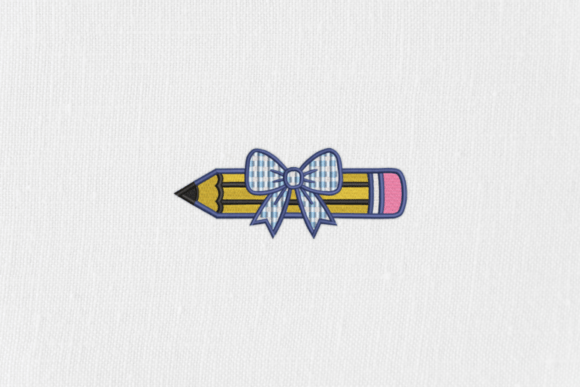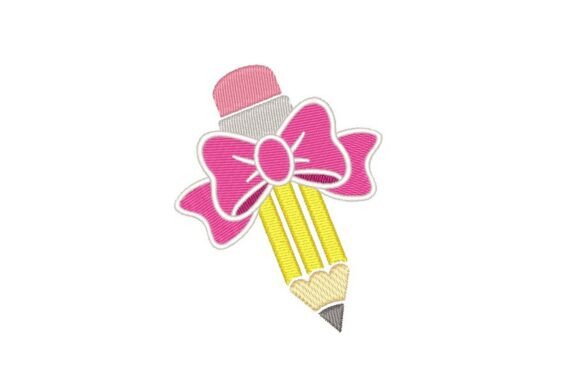
Pencil Machine Embroidery Design
First Impressions: A Thoughtful, Playful Sketch in Stitch
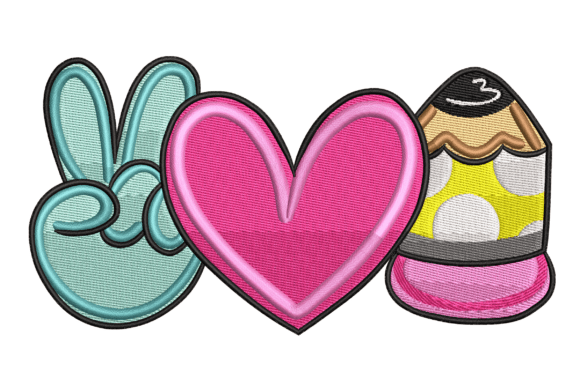
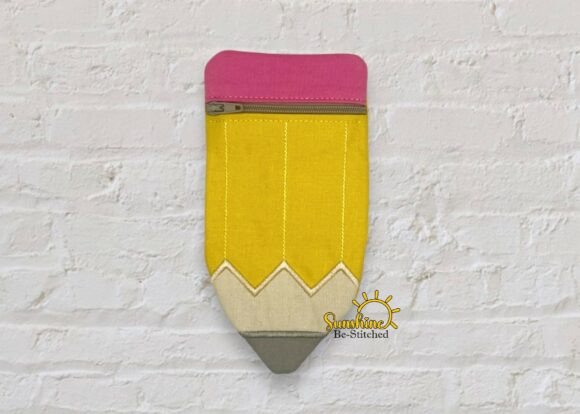
As an embroidery designer who’s stitched for boutique brands from Portland to Prague, my first glance at the Pencil Machine Embroidery Design lands somewhere between nostalgic and intentional — like finding a hand-drawn doodle on a vintage notebook margin, but elevated with precision. It doesn’t scream “back-to-school” with forced cheer; instead, it whispers quiet creativity, approachable intellect, and handmade charm. The layout feels balanced — not too tall, not too wide — suggesting natural flow across curved sweatshirt surfaces. From what I can infer, this is a clean-line pencil motif: likely with subtle shading, a soft graphite tip, maybe a faint eraser or woodgrain texture implied through stitch direction rather than heavy fill. That’s key. It leans into stitching personality: satin-stitched barrel, gentle zigzag or seed-fill for texture, and smooth outline stitches that hold shape without stiffness.
How It Lives on Real Sweatshirts — Not Just Mockups
This Pencil Machine Embroidery Design thrives where many digitized motifs falter: on varied fabric textures. On a neutral heather grey sweatshirt? It reads crisp and modern — minimal enough for a unisex boutique brand, yet warm enough to feel human-made. On charcoal or navy fleece? The contrast sings when paired with light-thread options (ecru, pale grey, or off-white), letting the form breathe without disappearing. Try it on a blush or sage pastel hoodie — here, the design gains gentle femininity without saccharine overload. And yes, it holds up beautifully on oversized hoodies and cozy seasonal knits: the proportions scale well, and the line work avoids overcrowding dense fabric weaves.
Placement flexibility is another win. As a chest accent on a relaxed-fit crewneck? Perfectly centered, anchoring the look. On the left sleeve cuff of a cropped hoodie? Adds unexpected detail that catches light and movement. As a subtle back yoke motif on a limited-run drop? It becomes a signature — understated but instantly recognizable to repeat customers. For lifestyle photography, it translates cleanly into printable mockups and Etsy listings: no visual noise, strong silhouette, and immediate emotional resonance — think “creative life,” not just “school supply.”
What This Means for Your Boutique Brand & Customer Trust
When you’re a small shop product maker or Etsy seller, every stitch carries brand weight. The Pencil Machine Embroidery Design doesn’t shout — it invites. That makes it ideal for custom apparel that positions your shop as thoughtful, curated, and authentically handmade. Customers scrolling through a digital embroidery file collection aren’t just buying a pattern; they’re investing in tone, consistency, and perceived quality. This design supports that. Its simplicity reads as premium — not cheap clipart — especially when executed well. It reinforces brand identity without locking you into one season or demographic. Whether you're building a stationery-meets-apparel line or launching a slow-fashion capsule, this motif fits quietly but meaningfully.
Practical Designer Notes: Sweatshirt Embroidery Realities
Let’s talk execution — because even the loveliest machine embroidery design can stumble without context.
- Thread colors matter deeply. Avoid high-contrast black-on-black or white-on-cream unless you want subtlety over visibility. Mid-tone greys, warm taupes, or muted teals often lift the pencil motif with sophistication.
- Stitch density feels moderate — critical for sweatshirt embroidery. Too dense, and the fabric puckers; too sparse, and the design loses definition on thick fleece. This one appears calibrated for commercial embroidery on midweight knits, but always test on your exact fabric blend.
- Stabilizer choice is non-negotiable. Use medium-weight cutaway or tear-away + topping for best surface control — especially important for the pencil’s fine tip and tapered end. Skipping stabilizer will blur those delicate transitions.
- Hoop size isn’t stated, but based on typical pencil proportions, expect compatibility with standard 4x4" or 5x7" hoops — ideal for chest placement and sleeve accents. Confirm before production.
- Small-size readability? At 3–3.5 inches tall, it remains legible and charming. Below 2.75", some nuance may soften — keep that in mind for petite styles or children’s hoodies.
- Washing durability hinges on stitch integrity and thread quality — but the design’s clean lines and lack of excessive underlay suggest good long-term wear, especially when paired with quality polyester thread.
Where It Fits in Your Creative Workflow
If you’re an embroidery shop owner or apparel decorator sourcing digital embroidery files for client projects, the Pencil Machine Embroidery Design slots seamlessly into multiple offerings: back-to-school bundles, teacher appreciation kits, artist-themed merch drops, or even studio-branded staff apparel. Its versatility means less time editing, more time stitching — and fewer customer revisions due to unclear intent. For the digital seller curating design assets, this is a high-conversion staple: low complexity, broad appeal, and strong visual cohesion across collections.
For the handmade product creator building a cohesive aesthetic — say, pairing embroidered sweatshirts with printed notebooks and ceramic mugs — this motif becomes part of a unified language. It’s not just decoration; it’s a quiet statement about process, craft, and intentionality. In an era where shoppers seek authenticity, that kind of resonance builds trust faster than any tagline.
Final Thought: More Than a Back-to-School Gimmick
Yes, the product description calls it “perfect for any back-to-school sewing project.” But don’t box it in. The Pencil Machine Embroidery Design is really about marking time, capturing ideas, and honoring the handmade gesture — whether that’s a student’s first sketch, a designer’s rough draft, or a boutique owner’s vision for a new collection. Used with care — right thread, right stabilizer, right placement — it transforms a simple sweatshirt into a tactile expression of creativity. And in the world of small shop product and custom apparel, that’s not just value-add. It’s brand elevation, one thoughtful stitch at a time.