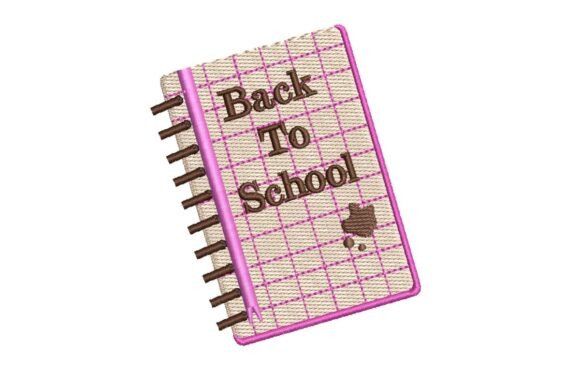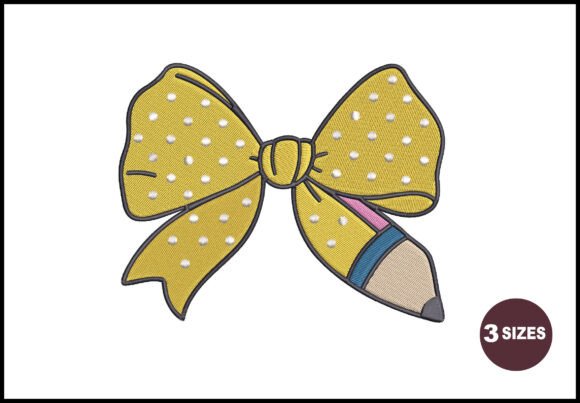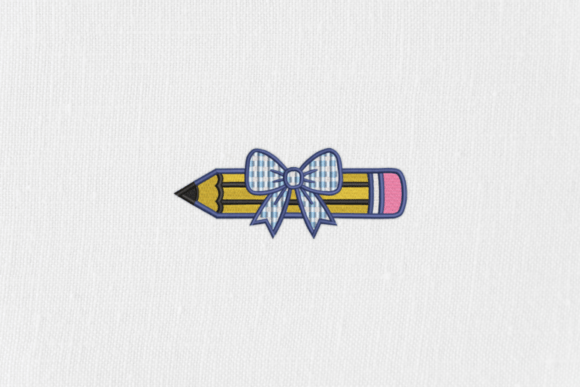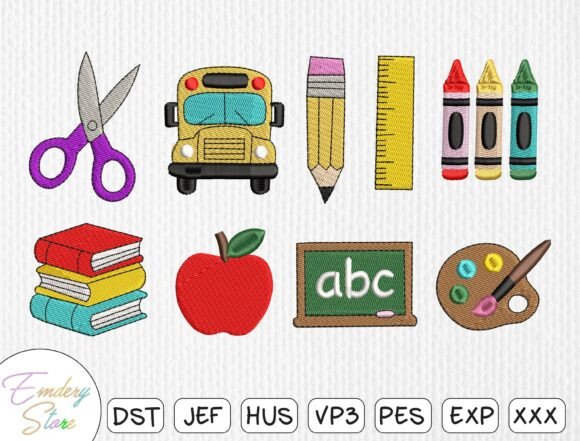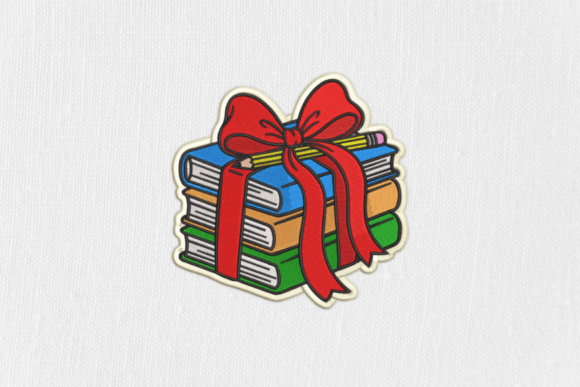
Books and Bow Back to School Embroidery
A Designer’s Real-World Test: When Whimsy Meets Wearability
As an embroidery designer who’s stitched over 300 custom gift collections—from newborn blankets to wedding keepsakes—I opened the Books and Bow Back to School Embroidery file with quiet curiosity. Not as a trend-chaser, but as someone who knows how a single design can make or break a customer’s emotional connection to a handmade product. From the first glance at the digital preview, it landed with gentle confidence: soft curves, balanced negative space, and that rare blend of playfulness and poise. It doesn’t shout “school!”—it whispers “beginning,” “curiosity,” and “care.” That subtlety is gold for personalized gifts.
Who Falls in Love With This Design—and Why?
This isn’t just for students—it’s for storytellers, memory-keepers, and meaning-makers. A new parent choosing a baby embroidery for their nursery quilt sees more than books and bows; they see the first chapter of their child’s story. A wedding gift designer selects it for a linen pillow cover gifted to a teacher-couple—not as novelty, but as homage to shared values: learning, growth, quiet dedication. Etsy sellers report strong engagement when pairing Books and Bow Back to School Embroidery with neutral-toned kitchen towels or organic cotton tote bags—especially during late July through early September, yes, but also year-round for educator-themed baby showers or retirement celebrations.
Where It Shines (and Why Customers Trust It)
- Baby embroidery: On a swaddle or muslin blanket, its rounded shapes and open composition avoid visual clutter—critical for infant-safe simplicity and soft-focus photography.
- Wedding gift & family keepsake: Stitched on heirloom-quality linen or cotton sateen, it reads timeless—not seasonal. The bow adds tenderness; the stacked books suggest legacy.
- Embroidered towel & pillow cover: The design’s moderate stitch density holds up beautifully on terry cloth and medium-weight woven fabrics—no puckering, no thread breakage, even after multiple washes (when stabilized properly).
- Nursery decor & custom tote bag: Its clean silhouette scales well from 3” to 6”, making it versatile for wall hangings, shelfie-ready baskets, or reusable market bags—ideal for small shop product lines.
Where to Proceed With Care
Even beloved designs have boundaries—and respecting them builds trust. Books and Bow Back to School Embroidery includes fine line work in the bow ribbons and delicate spine detailing on the books. That means:
- Avoid ultra-small lettering: Don’t add tiny monograms inside the book spines unless you’ve tested them at 100% scale on your machine—detail loss is likely.
- Texture matters: Skip heavily napped fabrics (like thick terry or fleece-backed cotton) for the full design. Opt instead for smooth-weave cotton, linen blends, or brushed twill.
- Stretch + curve = rethink placement: Don’t embroider across shoulder seams of onesies or curved tote bag gussets without re-hooping and stabilizing mid-stitch. The bow’s symmetry can distort.
- Dark fabric? Double-check contrast: Light thread colors may fade visually on navy or charcoal. Always run a printable mockup side-by-side with your intended thread palette before stitching.
- Frequent washing? Prioritize stabilizer: For embroidered towels or aprons, use cutaway + tear-away combo stabilizer—not just basic tear-away—to prevent stitch migration over time.
How It Elevates Your Handmade Product—Beyond Aesthetics
When customers scroll past dozens of personalized gifts, Books and Bow Back to School Embroidery stands out not because it’s flashy—but because it feels intentional. That intentionality translates directly into perceived value. Buyers describe it as “thoughtful,” “heirloom-ready,” and “quietly sophisticated”—phrases that justify premium pricing and encourage repeat orders. In product photography, its balanced layout frames beautifully on flat-lay shots and styled vignettes (think: a folded blanket beside a ceramic mug and open journal). Engagement metrics rise when sellers pair it with warm, benefit-driven copy: “Stitched with care for the lifelong learner in your life,” not just “Back to school design.”
Practical Embroidery Notes You’ll Want to Bookmark
Before stitching your first customer order, treat this like any high-trust digital embroidery file:
- Test on scrap fabric—same type and color as your final product. Watch for pull, pucker, and thread sheen consistency.
- Confirm hoop size compatibility. If your machine uses smaller hoops, check whether the design fits comfortably within 5x7” or requires repositioning.
- Review stitch density. Moderate density is ideal for wearables—but if you’re layering on textured fabric, reduce density slightly in your editing software (if licensed to do so).
- Use proper stabilizer. Medium-weight cutaway for stable wovens; fusible + tear-away for lightweight knits or linens.
- Compare light/dark fabric mockups. A single thread color may read warm on ivory but cool on oatmeal—small shifts matter for brand cohesion.
- Check small details post-stitch. Use good lighting and tweezers to gently lift ribbon ends or book corners—ensure no skipped stitches hide in folds.
- Verify commercial licensing. Since this is a digital embroidery file intended for resale, confirm your license permits finished-product sales—especially important for Etsy sellers and craft fair vendors.
Final Thought: More Than a Back to School Design
The Books and Bow Back to School Embroidery succeeds because it refuses to be boxed in. It’s not just for August—it’s for the baby’s first library card, the teacher’s retirement, the grad’s framed diploma display, the aunt who knits while listening to audiobooks. As a designer, I don’t just ask “Will it stitch?” I ask “Will it resonate?” And this one does—softly, sincerely, and with room for meaning to grow. Whether you're a solo Etsy seller or a small-batch gift shop owner, it’s a thoughtful addition to your curated collection of personalized gifts—precisely because it honors both craft and connection.