Back to School Student Quote Embroidery Review
First Impressions of a Playful Classroom Design
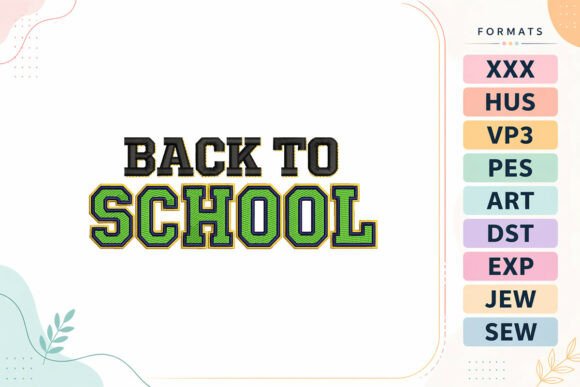
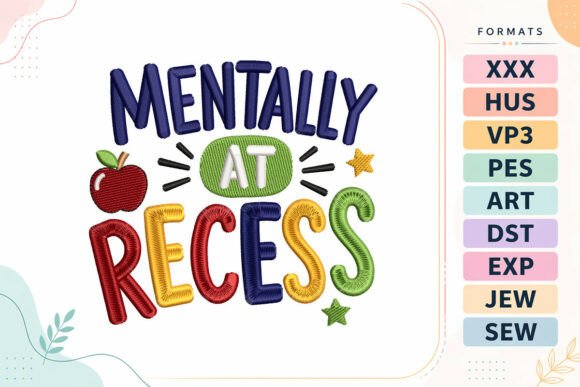
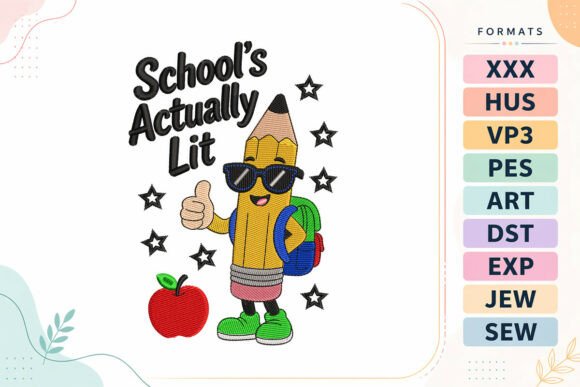
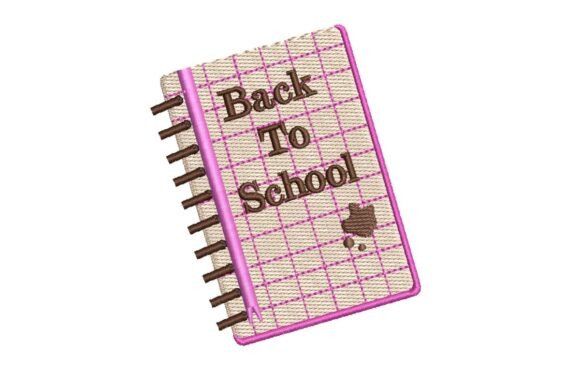
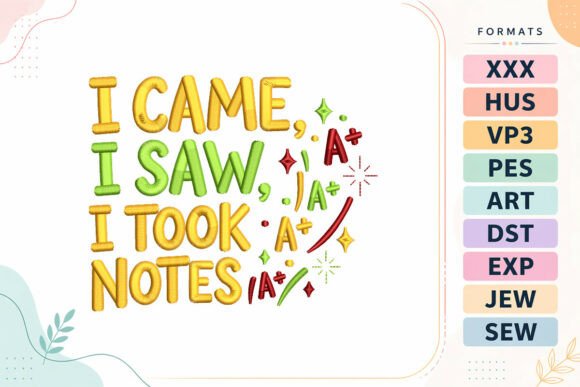
When I first unzipped the Back to School Student Quote embroidery file and pulled up the digital preview, I genuinely smiled. There is something instantly charming about the way this design captures that back-to-school energy without feeling juvenile or overly themed. The quote itself—I Came I Saw I Took Notes—has a clever, almost collegiate wit that appeals to students of all ages, teachers, and anyone who appreciates academic humor with a modern twist.
What immediately stood out to me was the balance between playful lettering and those colorful punctuation marks and classroom-themed accents. The design does not rely on heavy fills or overly dense stitching to make its point. Instead, it feels light, slightly whimsical, and tailored for a machine embroidery design that needs to stitch out cleanly on a variety of surfaces. As someone who tests dozens of designs each month for my small shop, I pay close attention to how a design reads from both six inches away and six feet away. This one passes that test beautifully. The quote is legible, the decorative elements add personality without clutter, and the overall composition feels intentional.
The mood of Back to School Student Quote lands somewhere between sweet and clever. It is not overly sentimental, which actually broadens its appeal. A grandparent buying a personalized backpack for a college freshman would find it just as fitting as a parent stitching a first-day-of-school towel for a kindergartner. That versatility is rare in themed embroidery files, and I made a mental note of it right away.
Who This Design Speaks to and Why It Sells
In my experience running a personalized gift shop, designs that tell a small story or capture a shared experience tend to sell faster than generic motifs. The Back to School Student Quote taps directly into the universal ritual of heading back to class. It is not just a quote; it is a statement of readiness, a little badge of humor that says, "I am here to learn, but I also have personality."
For Etsy sellers and small shop product creators, this design opens up a surprisingly wide customer base. The obvious audience includes students—elementary through college—and their families. But I also see strong potential for teacher appreciation gifts. Imagine a set of embroidered hand towels featuring this design paired with a monogram, gifted to a favorite educator at the start of the school year. The playful tone makes it appropriate for a classroom setting, while the clean execution keeps it looking professional.
Gift shop owners who stock back-to-school collections will find this design particularly useful for last-minute personalized orders. Because it stitches relatively quickly compared to dense, filled designs, it works well for high-volume periods like August and September. The quote also has enough universal charm to appeal to handmade product buyers who are not strictly shopping for school-related items. A notebook-loving adult, a homeschool parent, or even a librarian might be drawn to this design on a tote bag or pillow cover.
Testing the Embroidery File for Real-World Products
Before I ever offer a design to a customer, I run a series of practical tests. I loaded the digital embroidery file onto my machine and began with a medium-weight cotton fabric, which I consider my baseline for evaluating any new addition to my library. The stitch-out was clean, with no unexpected trims or awkward jumps. The lettering, which is always my biggest concern with quote-based designs, held its shape nicely. Small loops in letters like the lowercase "e" and "a" remained open and legible, which tells me the stitch density was set thoughtfully.
I then tested on a plush microfiber towel, which can be unforgiving with detailed text. Here is where I recommend using a quality water-soluble topper. The fabric texture of towels tends to swallow fine details, but with proper stabilizer and a topper, the design pressed through cleanly. The colorful punctuation accents retained their vibrancy against the white towel, and the overall impression was crisp and gift-ready.
For blanket embroidery, especially on fleece or minky fabrics, I would advise embroidery makers to increase the hooping tension slightly and use a cutaway stabilizer. The design's relatively open stitch pattern means it will not create a stiff patch on a soft blanket, which is a major selling point for customers who want decoration without sacrificing fabric feel. Parents buying baby embroidery items are particularly sensitive to this, and a design that stays soft against delicate skin is always a winner in my shop.
On a canvas tote bag, the design really came alive. The flat surface allowed the thread colors to pop, and the school-themed accents looked almost like printed graphics. This is where I think custom embroidery sellers will find the most consistent success. Tote bags are a high-margin product, photograph beautifully, and appeal to the exact demographic that loves clever academic quotes. Pairing this design with a name or graduation year would make for a compelling Etsy seller listing that stands out in a crowded back-to-school category.
Where to Use Extra Care and Attention
No design is perfect for every surface, and Back to School Student Quote comes with a few practical considerations that I want to be transparent about. The small lettering, while well-digitized, does require a bit of vigilance. If you are stitching on stretchy baby clothes, such as onesies or knit pajamas, use a firm cutaway stabilizer and consider basting the fabric to the stabilizer before stitching. Stretchy substrates can distort text alignment, and even a slight pull can make a clever quote look unprofessional.
Thick towels with deep pile present a similar challenge. I mentioned using a topper earlier, and I cannot stress this enough. The colorful punctuation marks are small but important to the design's overall charm. If they sink into the towel loops, the design loses some of its playful energy. Take the extra minute to float a topper, and your finished product will reflect that care.
Dark fabric also requires a thoughtful approach. The design description mentions colorful accents, and those thread colors need to be tested against navy, black, or charcoal backgrounds. What looks vibrant on white or cream can appear muted on darker surfaces. I always recommend stitching a small sample on the exact fabric you plan to use before committing to a full run. Thread colors that shift even slightly in contrast can change the entire mood of the finished piece.
Curved surfaces, such as the front panel of a structured backpack or a rounded apron bib, may require repositioning the design slightly. The horizontal layout of the quote means it reads best on flat or gently curved areas. Hooping a curved surface can be tricky, and I would not recommend this design for oddly shaped items unless you are comfortable with floating techniques and have tested the placement thoroughly.
Products that need frequent washing, like kitchen towels or children's lunch bags, should be stitched with polyester thread for durability. Cotton thread can fade over repeated wash cycles, and the bright accents in this design deserve to stay vibrant. I also advise customers to wash embroidered items inside out on a gentle cycle, which is standard advice I give with every commercial embroidery order.
Giftability and the Emotional Connection Factor
One of the reasons I keep returning to quote-based designs in my shop is their ability to create an instant emotional connection. The Back to School Student Quote does not just decorate a product; it communicates a shared understanding. When a parent buys an embroidered towel or pillow cover featuring this design for a child heading off to school, they are buying more than thread on fabric. They are buying a tangible reminder of a milestone.
From a gift shop owner perspective, this emotional layer translates directly into higher perceived value. Customers are willing to pay a premium for items that feel personal, even if the personalization is simply a clever quote that resonates. I have seen handmade sellers price quote-based products twenty to thirty percent higher than plain embroidered items, and customers happily pay because the design says something about the recipient.
For wedding gift contexts, this design might seem like an unexpected choice, but I have learned never to underestimate the charm of a well-placed humorous quote. A bride who is also a teacher, a couple who met in graduate school, or a newlywed pair of educators would adore a set of kitchen towels or an apron featuring this design. It is niche, yes, but niche gifts often sell faster than generic ones because they feel curated and thoughtful.
Product photography also benefits from designs with strong visual personality. A printable mockup or staged photo of a tote bag with this quote immediately tells a story. Buyers scrolling through Etsy or a craft fair booth can process the humor and charm in seconds. That quick recognition is invaluable for buyer engagement, and I have seen it translate into higher click-through rates on listings that feature quote designs over purely decorative ones.
Practical Embroidery Notes for a Smooth Stitch-Out
Over the years, I have developed a mental checklist for every new design I test, and I want to share the specific steps I took with this one. First, always test on scrap fabric. I cannot tell you how many times a design looked perfect on screen and then revealed small issues only after stitching. This design passed, but I still ran two full tests before offering it to a customer.
Check your thread color contrast carefully. The colorful punctuation and classroom accents are a defining feature of Back to School Student Quote. If your thread choices do not contrast enough with the fabric, those accents will disappear. I tested with a bright primary palette against white, cream, and light gray, and the results were consistently strong. Against darker backgrounds, I needed to adjust my thread choices to maintain the playful pop.
Confirm your hoop size before loading the design. The description does not specify exact dimensions, so I recommend opening the file in your embroidery software and checking the stitch field. Nothing disrupts a production workflow faster than realizing mid-hoop that the design exceeds your available space. Also, review the stitch count once the file is open. I do not have the exact number here, but understanding the density helps you estimate production time and cost.
Use the proper stabilizer for your fabric type. For woven cotton, a medium-weight tear-away worked perfectly. For knits, I switched to cutaway. For towels, I used a tear-away with a water-soluble topper. Your stabilizer choice directly affects the final quality of the embroidered product, and skimping here is never worth the few cents saved.
After stitching, inspect the small details under good lighting. Look at the punctuation marks, the loops in the letters, and the alignment of the classroom accents. A quick quality check before packaging catches any thread breaks or tension issues that could lead to a return. I also recommend comparing the design on light and dark fabric mockups, even if you only stitch one version. Seeing the design in different contexts helps you advise customers on color choices and manage expectations.
Finally, confirm your commercial licensing before selling finished products. The product description mentions the file is available for embroidery, but I always advise checking the specific terms included with the digital embroidery file. Some designers allow full commercial use on physical items, while others limit the quantity or require attribution. Protecting your small business starts with understanding the license you are operating under.
Final Thoughts from an Embroidery Designer's Perspective
After testing Back to School Student Quote across multiple substrates and scenarios, I can confidently say it earns a place in my shop's rotating collection. The design strikes a rare balance between humor and craftsmanship, offering enough detail to feel intentional without becoming so dense that it limits its use across products. For baby product creators, wedding gift designers, handmade sellers, and anyone who builds personalized gift collections, this design offers flexibility and broad appeal.
What I appreciate most is how the design respects the embroidery medium. It does not try to replicate a printed graphic. Instead, it leans into the texture and dimension that only thread can provide. The slight raised surface of the lettering, the way the colorful accents catch the light, and the overall handmade feel of the finished stitch-out all contribute to a product that feels crafted with care. In a market increasingly saturated with digital mockups and print-on-demand items, that tactile quality matters.
I will be adding this design to my back-to-school lineup, and I already have a short list of product ideas I want to test further. A lined notebook cover, a pencil pouch, and a small framed hoop art piece are all on my list. I also plan to offer it as an add-on option for customers who purchase monogrammed backpacks, since the quote pairs naturally with a name or initials.
If you are an embroidery maker who values designs that stitch out reliably, appeal to a wide audience, and create genuine customer connection, give Back to School Student Quote a close look. Test it on your favorite substrates, play with thread color combinations, and consider how it fits into your existing product categories. Sometimes the simplest concepts—a clever quote, a few well-placed accents, and solid digitizing—create the most memorable finished products. This design is a strong example of exactly that principle in action.